Divided Heirlooms: A Clear-Eyed Guide to Splitting the Family Jewellery in 2026
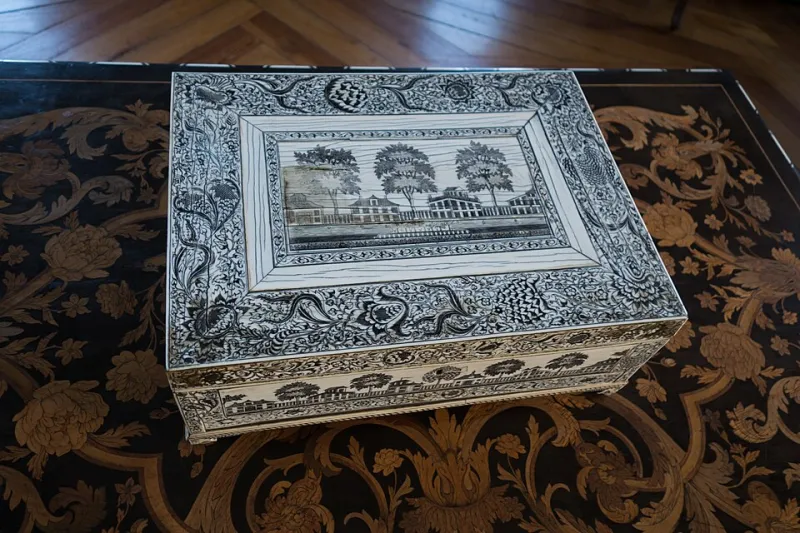
Photo: Thomas Quine, CC BY 2.0, via Wikimedia Commons
The jewellery seldom arrives at a convenient hour. It turns up after a funeral, in a shoebox lined with yellowing tissue, and within a fortnight three siblings are exchanging careful emails about a garnet brooch nobody has worn since 1987. Britain is unusually rich in this sort of inheritance: generations of modest accumulation — a signet ring, a strand of pearls, a watch awarded for thirty years' service — now sitting in drawers while the cost of insuring them climbs and the price of gold stays at levels that would have startled the people who bought them.
The trade's advice is consistent, and refreshingly unsentimental. Treat the handover as a small project: it needs an opening, a middle and a paper trail. What follows is the version of that project most UK jewellers, valuers and solicitors would recognise.
Start with an inventory, not a memory
Before anyone argues about who always loved the sapphire, photograph every piece on a plain white surface, in daylight, and record where each item is believed to have come from. Then book an hour with a jeweller who can read a hallmark: the assay office mark, the date letter, the maker's mark. That reading is frequently the only documentary evidence a family possesses, and it settles a surprising number of disputes before they begin.
A simple shared spreadsheet beats a group chat. List each item, its condition, its provenance as far as anyone can verify it, and any repair history. Where a piece has a story attached — a christening gift, a wartime purchase — write it down. Provenance is not merely sentiment; it is value.
Valuation is a service, not an insult
Families often flinch at the idea of pricing a grandmother's ring, as though the act were a small betrayal. It is the opposite. Without a figure, division becomes guesswork, and guesswork breeds resentment.
Be clear about which valuation you need. An insurance replacement valuation, prepared for a schedule, is typically higher than a probate or open-market figure, because it must fund a like-for-like purchase from a retailer. A sale valuation reflects what a dealer or auction house would actually pay. Ask the valuer which basis is being used, and obtain two opinions on anything above a few thousand pounds. Fellows in Birmingham and the major London houses will handle probate work; a local independent jeweller will often do it faster and cheaper for a modest collection.
Fair is not the same as equal
Three routes work in practice. The first is rotation: pieces are held jointly and lent, in turn, for weddings and christenings, with ownership remaining undivided. The second is offsetting, where one sibling takes the heavier sentimental item and another receives a compensating share of the remainder. The third is sale, with the proceeds split.
Whichever is chosen, put it in writing and have everyone sign it, even informally. A single page, dated and photographed, prevents the second argument — the one that arrives in 2031 when a cousin's wedding makes the brooch newly desirable.
Reset, resize and restring
Inherited jewellery is often unwearable rather than unfashionable. Rings are two sizes too small; pearls have stretched and the silk has perished; a brooch pin is bent; claws have worn thin enough to threaten a stone. A bench jeweller can usually resolve all of this within a few weeks.
Consider the budget carefully. Resizing a plain band is straightforward; resizing an eternity ring set with stones is not, and some settings cannot be altered at all. Pearls should be restrung on knotted silk if they are to be worn rather than stored, and any restringing is a good moment to fit a proper clasp. Victorian and Edwardian pieces often deserve a light clean and no more — over-restoration is how heirlooms stop being heirlooms.
One caution: before any work is done, photograph the piece and agree the scope with the bench in writing. If the item is to be divided later, restoration invoices form part of the record.
The case for selling, and against
Not everything should be kept. A single earring, a broken chain, a mount without its stone: these are candidates for scrap, and there is no shame in it. Gold content has a floor value that often exceeds the piece's appeal as an object.
Equally, not everything should be sold. Pieces with a named maker, an unusual stone or documented provenance routinely outperform melt value at auction, and the difference can be considerable. Alarm bells should ring when a dealer offers a figure that closely tracks the weight of the metal without asking a single question about the piece's history. If the offer is scrap, ask why; if the answer is vague, take a second opinion.
Paperwork, and the long view
Finally, deal with the administrative tail. Add inherited pieces to household insurance, or to a standalone policy if the collection justifies one, and keep the valuation with the schedule. Store items separately where possible, keep pearls away from direct heat and scent, and have anything worn regularly checked annually for loose stones.
The handover, done properly, is not a division at all. It is a transfer of stewardship, with the boring parts handled so that the interesting parts — the wearing, the lending, the stories — can continue. That is the least sentimental advice available, and probably the most useful.