Paper Before Platinum: The British Jewellery Box Learns to Tell Its Own Story
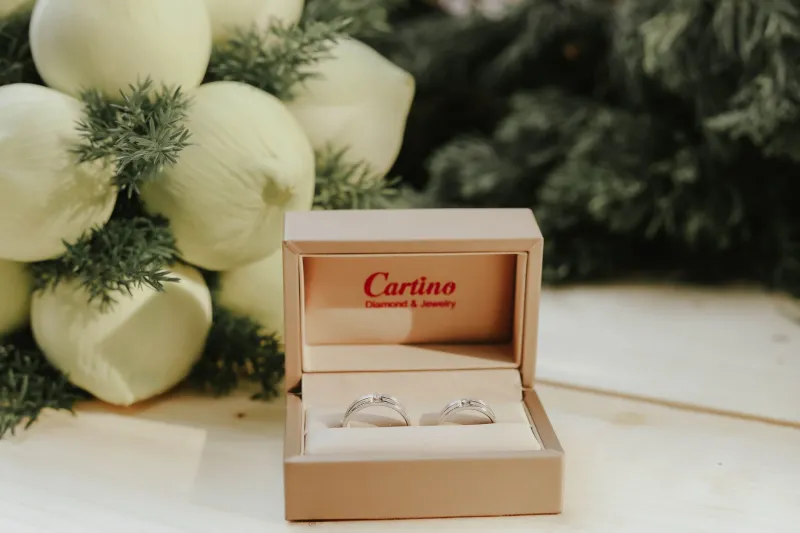
In a Hatton Garden workshop, a finished ring now leaves the bench with more than a polish and a pouch. Alongside it sits a folded card, sometimes a slim envelope, occasionally a QR code printed on stock chosen to match the box. The card may list the refiner, the caster, the stone’s laboratory report number and the date the piece was completed. None of this is legally required in the way a hallmark is. Yet in 2026 it is increasingly treated as part of the object itself.
That shift is the subject of a quiet corner of the British trade. The paper trail has become a luxury signal, and jewellers are learning to design it with the same care as a setting. For buyers, the question is no longer simply whether a piece is beautiful. It is whether the story around the metal and stones can survive scrutiny — and whether that story is worth keeping.
The box as a second object
A provenance card used to be an afterthought: a printed line or two, often lost within a week. The new approach treats documentation as a second object. British workshops are commissioning small folders, numbered cards and envelopes that sit inside the presentation box rather than beneath it. The typography is considered. The paper stock is chosen. The information is sequenced.
This is not mere theatre. A well-made file records what was known at the point of sale: who refined the gold, which workshop made the piece, which laboratory graded the diamond, when the work was completed. It gives the owner something to refer back to at insurance renewal, at resizing, or at resale. In a market where many pieces look alike, the file is one of the few things that cannot be copied quite so easily.
The hallmark is a floor, not a story
Britain already has a robust baseline. An Assay Office hallmark — applied in London, Birmingham, Sheffield or Edinburgh — confirms metal fineness and identifies the maker. It is a legal mark, and it matters. But it does not say where the gold came from, how it was recovered, or whether the diamond passed through a conflict-free channel. The hallmark answers a purity question, not a provenance one.
That distinction is often blurred in marketing. A buyer may see a cluster of marks and assume the ethical story is complete. It is not. The hallmark is the floor. The paper trail, where it exists, is the narrative above it.
What British jewellers are issuing
Broadly, three kinds of documentation now appear in British jewellery boxes. The first is legal and transactional: the hallmark, the receipt, the stated metal weight and fineness, and any laboratory report for a principal stone. This is the minimum, and it should always be kept.
The second is voluntary chain-of-custody material. This can include recycled-metal certificates, mine-to-market paperwork, and certification under schemes such as Fairmined or Single Mine Origin. For diamonds, the Kimberley Process certificate is a starting point, not a full answer; it addresses rough diamonds at a broad level, not working conditions or environmental impact at a specific mine. A laboratory report from a recognised grader adds another layer, provided the stone’s girdle inscription matches the document.
The third is the house archive: a provenance card, a care record, a repair log, or a digital file accessed by QR code. This is where British jewellers have become more inventive. Some now issue a small passport that travels with the piece through future services. Others keep a digital counterpart that can be updated when a ring is resized or a clasp replaced. The best examples read as part of the design language, not as a compliance afterthought.
How to read the file before it goes in a drawer
The practical work begins at the counter. Read the issuer first. A certificate from a refiner is not the same as a certificate from an independent auditor. A house provenance card is not the same as a mine-to-market record. Check the scope: does the document cover the whole piece, the metal only, or a single stone? Check the date and the batch or lot number. A generic assurance that a piece is ‘responsibly sourced’ is not a chain of custody.
The word ‘recycled’ also deserves care. Recycled gold keeps metal in circulation, which is valuable, but it does not by itself prove low environmental impact or fair labour at the point of origin. Look for the name of the certification body and the refiner, not just a symbol. For diamonds, match the report number to the stone and keep the original document rather than relying on a photograph of it.
Finally, preserve the boring paperwork. The receipt, the insurance valuation and the service record are part of the same story. A complete file is more useful than a beautiful card with no transaction history behind it.
Where the trail thins
The paper trail still ends in vagueness more often than the trade would like to admit. Small workshops may buy from larger suppliers and pass on only what they receive. A QR code may lead to a generic brand page rather than a specific record. Documentation can go missing during a resize or a repair. Artisanal and alluvial gold remains difficult to trace at scale, and blockchain records can only verify what has been entered into them, not the conditions on the ground.
There is also a language problem. ‘Traceable’, ‘responsible’ and ‘recycled’ are used loosely across the British market. Without a named standard and an independent check, they are claims rather than records. The buyer does not need to become an auditor. But it helps to know where the certainty stops.
A filing habit for a documented collection
Treat the paperwork as part of the collection. Keep the original box, the card and the receipt together. Photograph the file and store the images in the same place as insurance documents. Note the date of purchase, the retailer and any subsequent service. If a piece is resized, ask for the work to be recorded. These small habits make a difference at resale, when a complete file gives the next owner confidence.
In 2026, the most interesting British jewellery is not always the loudest. It is the piece that arrives with a memory: a named refiner, a dated record, a laboratory number that matches the stone. The paper does not make the gold ethical by itself. But it shows what was known, by whom, and when. In a market increasingly alive to that difference, the file in the box has become part of the luxury.